 ijstock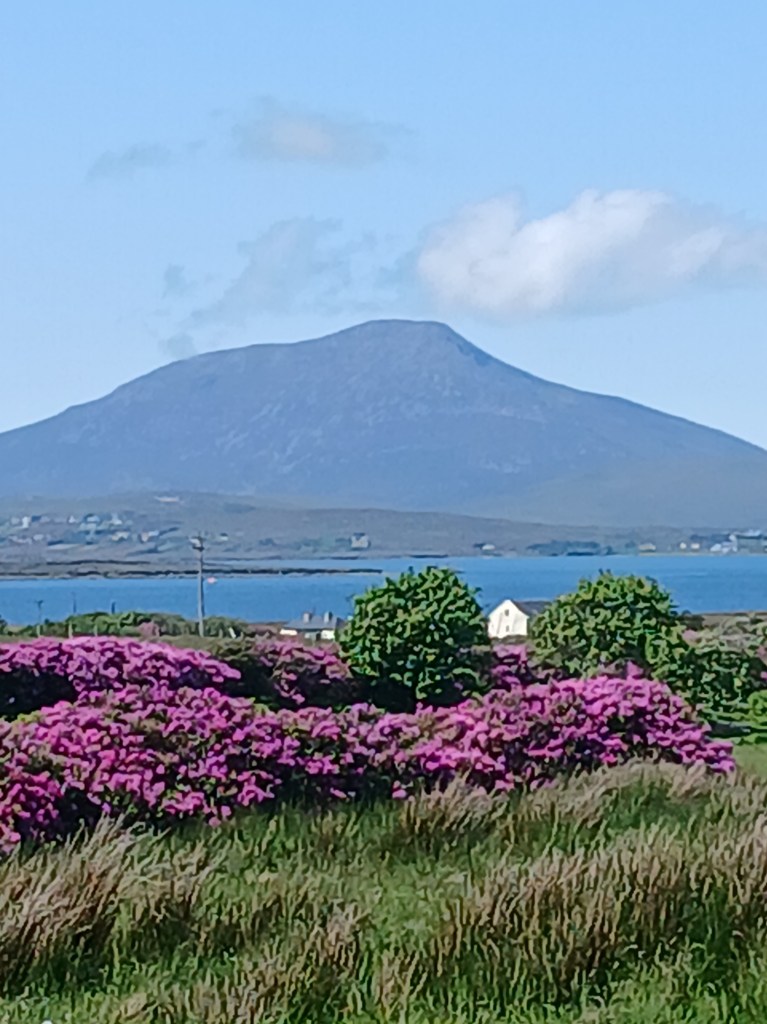
Islands seem to encourage a sense of intrigue. Maybe they do it on purpose as a means of overcoming their inherent inaccessibility, so as to attract people. Historically, they have provided easily defended sites for communities, but it came at the cost of marginality and being generally behind the times. Literally insular.
Our latest annual visit to County Mayo in north-west Ireland resolved our absence from one of the outstanding local examples: Achill Island is the largest island on the west coast of Ireland, though in reality it is an island by no more than a couple of hundred metres, being separated from the mainland by a narrow sound which has been bridged since the late 1800s. However, it still entails a longish drive down a dead-end road to what is one of the most westerly points in Ireland (and hence Europe), so one has a good sense of heading to the end of the earth while making the journey.
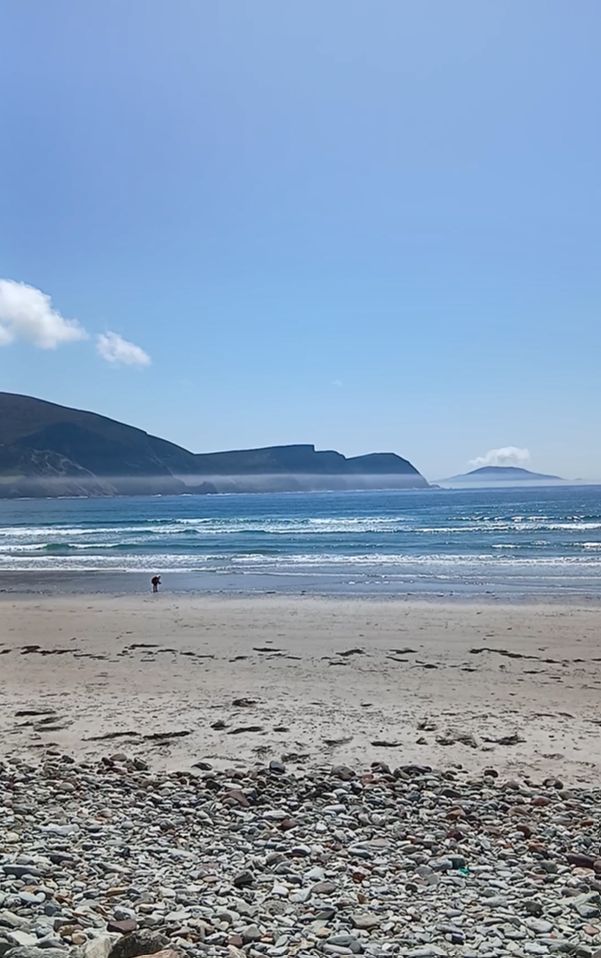
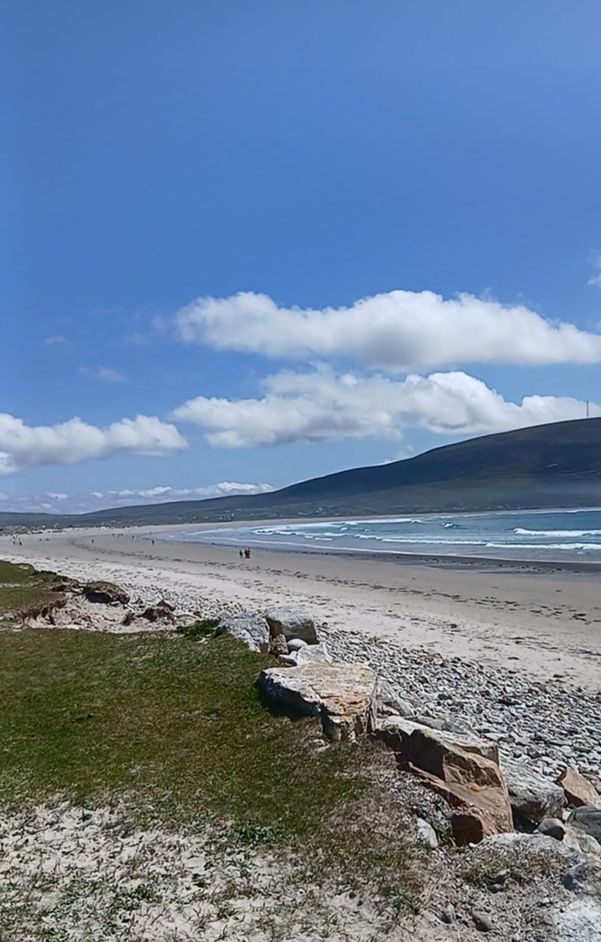
There seems to be a significant mystique built up around the place, which perhaps explains why Mayo residents urge you to visit. And, as we found, with good reason. The island’s reputation is as a wild and windswept place, but our visit in May was blessed with great weather, and at a time when the rhododendrons were at their best. Invasive weeds they may be, but the display is still spectacular. These and New Zealand flax seem to thrive in the wilder parts of Mayo, and they lend a slightly exotic feel to the landscape.
Tourism is well-established, and as seems to be the norm in Ireland, even the remotest places are well cared for and provided with far better amenities than many of their equivalents in Scotland or Wales. I suspect this says something about the benefits of home rule, with the government in Dublin setting greater store by sustaining its nation’s remote communities than its distant equivalent in London ever did (at least before devolution took place).
The island’s population is about 2,500, or half that of the small town where we live in South-East England. While there are Gaeltacht areas (native Irish speaking), most of the island is English-speaking, and seems to have a track-record of attracting artists, musicians and filmmakers. Graham Greene wrote parts of several of his novels while staying on the island.
One might expect fishing to have been a dominant industry, but there seem to be few places where building harbours was possible. Much of the coastline consists of steep cliffs or wide beaches, such as the renowned one at Keel (above). However, the island was known for nearly exterminating its population of basking sharks in the quest for shark liver oil. They have, however, returned, and a large number were spotted in Keem Bay (below) just ten or so days after our visit.
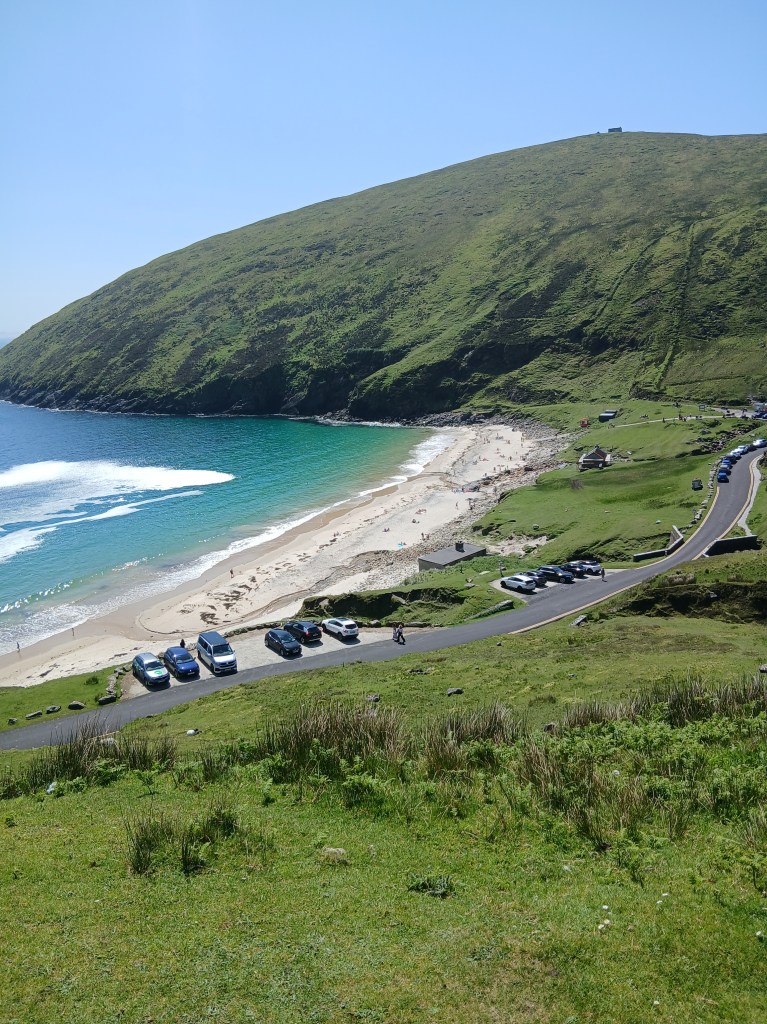
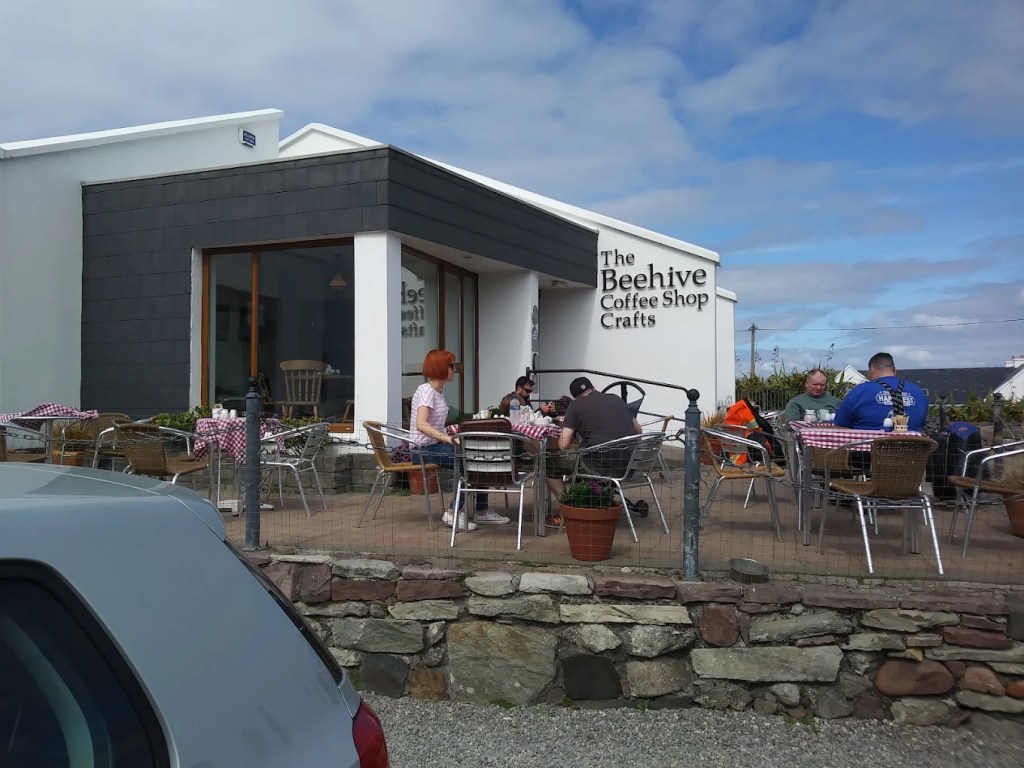
When the weather is good, places such as Achill Island offer a beautiful, laid-back retreat even when compared with the generally slow pace of life in most of Ireland. We had a lovely day there – and the Beehive Coffee Shop and Crafts Centre passed our cappuccino (and food) test with flying colours. Having seen pictures of the island during more normal conditions, though, I’m glad we made our visit when the weather was kind. It’s easy to romanticise such places when one only sees their gentle face…
 SPREZZATURA
Cycling from Westport to Achill was a bleak experience, even in August. The island did have two short narrow gauge lines
LikeLike
Yes, I’m glad we got lucky with the weather. Anything above about 20 degrees and the Irish break a major sweat!
LikeLike