Arts, Architecture & Design, Opinion & Thought

Into the future, looking backwards…

As 2018 staggers uncertainly towards the finishing line, the image of my nation that keeps impinging on my thoughts is of a Tardis wobbling across cardboard space-time in an early BBC special effect.

Brexit-fatigue may be growing, but that vexed issue seems to have provoked a wider spate of introspection about the meaning of Life, the Universe and Everything – and a general dissatisfaction with the state of our country.

The throwing of my own life into the blender a couple of years ago, just at the time when I thought I knew how the near future was going to pan out, was ample reminder not to take too much for granted. Falling out of a teaching career at the three-quarter mark due to stress-induced illness necessitated a wholesale re-appraisal of the future. There is not a lot of point of putting one’s energy into bringing back the past; much better to try to build a positive future.

The issue of EU membership has cast a harsh light on a binary division in human psychology, namely how we deal with uncertainty and the future. The matter was thrown into relief recently by the news that our ancient town is to ‘receive’ a new development of 300 houses in the next couple of years. Small fry compared to some places no doubt, but this will add around 25% to both the building stock and the local population – enough to make a significant impact on a small and historic place.

The reaction of people locally is indicative of a wider human fallibility, particularly in relation to how it deploys time. There had been warning signs for some time – with only limited reaction from the wider community. Now that a major impact is inevitable, people are asking why something could not have been done to stop it.

Given that – as far as one can tell – the human experience of Time is fairly consistent between individuals, in that it only really moves in one direction, one wonders why humanity so often still gets caught out. Hindsight is a wonderful thing – but one might have thought we would learn from the experience. It often seems not.

Actually, the problem seems to be that bit of Time which has not yet happened. People seem remarkably resistant to thinking in any disciplined way about the future. There may be very good reasons for this – not least the fact that as Keynes said, in the long term, we’re all dead. And perhaps not even the so very long term: beyond youth, a human life speeds past. Maybe that’s why people shy away from thinking about it.

Or maybe it is an acceptance that anything so unknown cannot be reckoned for. But while that is undoubtedly partly the case, denying the ability at least to influence the future seems to me very defeatist. While much does indeed remain unknown (and neither is it easy to allow for unintended consequences of any particular course of action), doing nothing is hardly better. A proportionate, realistic, but optimistic attempt to affect things for the better seems to me a much more sensible approach – while always accepting the significant degree of uncertainty involved.

What seems to me even more unwise is to seek solace in the past. Nostalgia is big business, and it affects a huge amount of human activity. The Christmas season is predicated on it – goods times past that may or may not be entirely illusory. What it is, in reality is sentimentality – an emotional response from the less rational part of the brain to the inherent uncertainty of the future – and sometimes even the present. It is more comfortable to deal with the apparent ‘knowns’ of the past – even when they may be more fiction than fact. At this time of the year, especially with the prod in the temporal ribs that passing New Year inevitably brings, it seems just more comfortable to reside in the past. And more generally, people become more resistant to change at times when change is most rapid.

More curious still is the extent to which this propensity may be culturally determined. One of my permanent frustrations with my country is the extent to which the national identity is so predicated on looking backward. I cannot think of another developed country, at least in Europe, which relies so heavily on past (supposed) glories for its sense of self. From the heritage tat we shamelessly flog to tourists (and each other), to the companies that know the best way to ingratiate their high-tech trains with customers is to paint them in heritage colours and call them GWR or LNER, this country is only ever dragged into the future looking longingly backwards.

There are some countries, of course, whose past is something to be best forgotten, and in that sense future-orientation may be more a necessity than a choice. Neither is resistance to change a purely British phenomenon. But I cannot help thinking that a country that still yearns so strongly for the past is one that has run out of good things to say about its present – not to mention any new ideas for its future. And when we do have new ideas,  we crow incessantly about them, a self-consciousness which suggests we know that somehow they  don’t sit easily.

My attempts to persuade my neighbours that the antidote to yet another Lego-clone housing estate on their historic doorsteps is to push for something that makes a confident statement about the future, seems to be something that most simply don’t want to consider. It seems the whole point of living in a historic town is to pretend that we are still living in an arcadian past when present-day problems didn’t exist – even though they patently do – and whose future we would rather not think about. When it comes, for example, to suggesting that judicious modern architecture can work even in a historic setting, the response is a knee-jerk No. Completely unbiddable. I wonder whether it is deliberate, or just the conditioned response of a lifetime lived in a change-averse culture.

I’m sure people are sincere when they say they are more comfortable with tradition – but they never stop to think about why. Why reject the benefits of modernity? Where would we be now if prehistoric people had done that, let alone those who built from new the heritage that we now venerate?

Meanwhile, the contemporary problems of the place – traffic congestion, affordable/sustainable housing, maintaining local services and the rest – remain unresolved because of the fear of thinking radically. It seems many would rather cling to an imperfect past-orientated present, rather than contemplate a future that is different, but which could be a real improvement.

Yet time waits for no one. No matter how we seek to deny the fact, or dress it up in historic garb, the future is the only destination we have. That means facing up to uncertainty, not to mention the pressures of modern life that many appear to want simply to disappear. The problem with it is that failing to live in the present (and anticipate the future) means that sooner or later that future is likely to come along anyway and kick the unprepared firmly in the arse. It has happened in the development case I mentioned above – and in the many other communities whose apparent preference for ‘traditional’ architecture gave unsentimental developers all the pretext they needed to churn out yet more estates full of tweely-named meagre little Lego boxes whose main purpose is to enhance the bonuses of those at the top – and which, of course, they will never have to live in themselves. Clinging to the past often simply makes the present, let alone the future, worse.

Another line of approach of Nostalgics is to claim that a preference for the present is a betrayal of the past, that it is somehow disrespectful not to venerate the legacy of previous generations. It is probably true that a civilisation that has no shared memory of whence it has come is indeed placing itself at risk of future mistakes – but sentimentalising and editing the past in order to make it artificially palatable is not at all the same thing – and is equally unwise. To continue with the architectural example, while conservation may be desirable, selecting only the superficially ‘pretty’ bits is dishonest, and does the opposite of creating a genuine heritage: it manufactures a shared lie, whose only effect is to reinforce the misconception that the present was a better place than the present.

The British yearning for nostalgia does serious harm to the nation. Sentimentalism smothers more realistic appraisals of the options for the future. Necessary change is avoided, or reduced to a minimum. Difficult decisions are avoided – or sent underground, difficult conversations not had, democratic compromise replaced by shouting matches. Ironically, excessive reliance on cost-benefit analyses and psephology (designed to make the future look like the past – certain and secure) increases the risk of delusion and error. Meanwhile, opportunists leap to fill the void with changes intended only to benefit themselves.

Quite apart from the damage being done to the genuine architectural heritage by the vast swathes of pseudo-heritage development, it seems to me that the issue of the moment – Brexit – is grounded on the same illusion. Most of the case for leaving the EU has been built on a return to some era when Britain was Great(er than it is now) in a way that is nothing more than a denial of the reality of the modern world. And try as we might to make this illusion reality, the only real effect will be that sooner or later the Future will once again come along and kick the nation in the arse too. Arguably it already has: one of the few explanations I can find for why this country has such unique difficulties with the idea of the EU is that it prefers to live in the past, rather than looking to the potential of European co-operation (done properly) to create a better future. I suspect the different balance that I have sensed elsewhere has a significant effect.

This is not to suggest that other nations are not respectful of their pasts too: one only has to look at the care with which the Swiss and Germans for example, preserve their heritage to see that. But they seem much less afraid of mixing it with the present, and of adapting it to modern needs. In fact, some of the most impressive conservation I have seen has been that which blends it judiciously with the ultra-modern. It is possible to respect and appreciate the past without wanting to live in it.

The other half of the binary choice is to rush open-armed indiscriminately into the future. That is probably just as unwise, as the truth is rarely found in extremes: ill-considered, ideological progressivism is probably just as risky as uncontrolled regressivism. But realistically embracing the future seems to be a much more constructive way of spending our time on this planet than yearning for that which has already passed.

Nations that get this right seem to me to have a generally healthier attitude towards Time as a whole. They seem to have a generally more can-do, less defeatist attitude. They make considered decisions that (can) lead to healthier societies. Those that seem to prefer living in an increasingly imaginary present, built mostly around a fake version of their supposed history, seem to be in a form of denial that says little other than that they are culturally bankrupt: tired and out of ideas. “It can’t be done here!” is a familiarity cry in this country. Why not?

Driving using only the rear-view mirror is not a good idea: it seems to me like a recipe for a rapid demise.


Opinion & Thought, Politics and current affairs

Irresistible force meets immovable object? Not at all.

The calls from certain quarters for the nation to unite behind the PM’s Brexit deal is being treated with the disdain it probably deserves. Not because the sentiment is not necessary, but because it trivialises yet again the causes of the division. It represents nothing more than the diminution of the reasons people hold the views that they do, and treats them as little more than superficial differences that can be easily abandoned for the sake of patching up the nation.

It also relies on the assumption that the disagreement is symmetrical in ‘weight’: the irresistible force and the immovable object, perhaps. In a sense, that is why Leavers have been reduced to telling Remainers to ‘get over it’. There is simply no better argument available to them, as indeed there is not in the opposite direction; nothing that can trump the very different values of the opposite camp. It is stalemate.

But the two cases are not symmetrical. The belief of Brexiters that pro-Europeans should just get over their difficulties betrays a fundamental failure to appreciate or care for the nature of identity – of which, given their own claims, one might have expected them to have a better understanding. Nationalism (insidious or otherwise) is based on the call for people to identify profoundly with an identity bigger than themselves, to the extent that the two partially merge. And yet Brexiters simply fail time after time to appreciate that for pro-Europeans, what is being “untimely rip’d” from them is their own version of exactly the same thing.

Here, in one nation, Brexit has exposed two utterly incompatible readings of what our national identity is, or should be. The one cannot but exist at the expense of the other; the only fully practical resolution would be to divide the nation physically in two. And the only less drastic, less satisfactory – but more practicable – alternative is to hold a new vote now that the specific terms of the proposed settlement are known. Mrs May’s greatest error of many, is to fail to appreciate this; if she was really as concerned for the national interest as she claims, she would recognise that a new vote is the only real hope of reconciling the issue – and if that means that two years’ difficult negotiations, let alone the time and expense, are not after all needed, then so be it. A useful purpose will still have been served.

But I fear that is not likely to be resolved or patched up for many a year to come. I have had numerous encounters with people where (not at my instigation) the very first line of conversation sought to establish which camp I was in; that is the depth of division that has been created, and which I suspect will linger for decades.

Neither is the argument as practically symmetrical as some would claim. I challenge any Leaver to show what negative effects Britain’s membership of the EU has had personally on them. They have always had the choice simply to ignore most of the doings, let alone the cultural aspects of pro-Europeanism. While some may rail against the arrival of metrication, for example, the practical effects were small. Undoubtedly there are some whose livelihoods were affected by EU policy. But that argument is easily reversed – and while one might potentially feel sympathy with fishermen subject to quotas, one also needs to reflect on the reason those quotas exist in the first place. British domestic policy on this matter has shown relatively little inclination to deal with issues like the depletion of fish stocks, let alone the environmental aspects of the matter.

On the other hand, Brexit, if it happens, will cause significant real impacts on every single individual in the country. There will be no ignoring it. The increased cost of living, the lower incomes and opportunities, the increased difficulty of physical access to the continent – not to mention the cultural and identity loss for those to whom such things matter – will all be very real and immediate. If Leavers don’t understand this, it is nothing more than a product of their own insularity and limited vision; if they simply don’t care, it betrays the hollowness of their own vision of national unity.

In practical terms, living under the aegis of the EU, even for those who did not like it, had little negative impact on their lives – at least not in ways that were distinct and separable from the damage done by the domestic mismanagement of this country in recent decades. It arguably also balanced any negatives with benefits that were often larger in scope than locally-minded objectors might perceive. Clean air legislation, for example, is not easily appreciated from a determinedly local perspective.

On the other hand, the prevailing of their world view will have significant a personal impact on me and those like me. It will actively deprive me of things that I hold very important, and will make – indeed already has made – the leading of my life more difficult. Why I should suddenly forgive that gratuitous imposition I do not see.

That – apart from any of the bigger arguments – is I suspect why calls for reconciliation will not work, and why this will not be forgotten lightly.

Opinion & Thought, Politics and current affairs, Travel

It’s a bit late for that Now! Announcing my third book.

cover good

I’m pleased to announce the publication of my third book, It’s a bit Late for that Now! Britain’s relationship with the continent (before and after Brexit).

To speed things up, I’ve decided to put my money where my mouth is and self-publish this one.

The book is pro-Europe, not specifically pro-E.U., and addresses long-term issues that will be important whatever happens in the political arena. I hope it will be of interest no matter which side of the argument is preferred.

You can purchase print-on-demand copies direct from the publisher here

You can purchase the e-book edition here

You can  read the first fifteen pages online for nowt!

In the next couple of weeks, the book will also be available via Amazon and to order from bookshops.

Opinion & Thought, Politics and current affairs

Who Governs Britain?

wgb

Professor Anthony King’s book Who Governs Britain? is about as even-handed an assessment of the topic as one might hope to find. King is a distinguished and considered expert in the field, as I experienced in a public debate at which he spoke. The book is well-written and entertaining.

And yet one is still forced to come to the conclusion that the system is broken, or at least cracked. And highly inconsistent and illogical. Published in 2015, the book is prescient in its observations, given what has happened since.

There is some discussion going on regarding Theresa May’s deserving of sympathy. King’s book puts this in an interesting perspective. I doubt the criticism that suggests she has put party survival ahead of country – she is not that much of a team player. But she still represents the worst of the Establishment – inflexible, unfeeling and out-of-touch. The government’s response to criticism from Philip Alston, the UN special rapporteur on poverty, is just another timely reminder of how unresponsive is the British Establishment to real, urgent needs of ‘ordinary’ people. I wonder if it realises how badly its outright denial of the problem appears in the nation at large.

May’s woodenness and emotional illiteracy are thus just par for the course, team player or not. Whatever she really thinks about Brexit, her chosen approach has just reflected the ability of this country’s executive to do what the hell it likes, in between the occasional need to flatter the nation with false promises at election time. She could have chosen to acknowledge the closeness of the vote, and seek to reconcile Remainers with what she thought needed to be done. But as with them all, it was more important to score points than be right, more important to retain power than admit weakness or error, even where the latter might have brought relief. More important to bang drums than admit the country’s weak position and seek collaboration with our supposed partners.

She – and the whole of her misguided type cannot change. Their commitment to the ‘national interest’ is nothing of the sort: it is (perhaps unwitting) loyalty to a certain kind of establishment interest largely unchanged since the days of Empire, and as such not deserving of any sympathy. Even if one sympathises with the personal price she is paying, a lot of it is self-inflicted.

Whatever happens in the coming months with Brexit, it is easy to argue that the whole British governmental and constitutional system is in urgent need of review and overhaul: Brexit has thrown its limitations and contradictions into stark relief.

Unfortunately, turkeys don’t vote for Christmas, so the chances of one happening are virtually nil. The only person whom I suggest might be able to instigate one is err…. the Monarch, through a Royal Commission. There is no other mechanism. Not an appealing admission for a republican – and I suspect she’s actually Queen Turkey herself in any case.

Arts, Architecture & Design, Travel

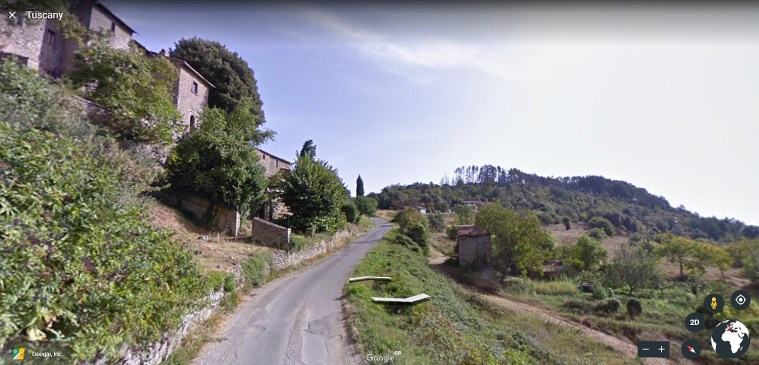
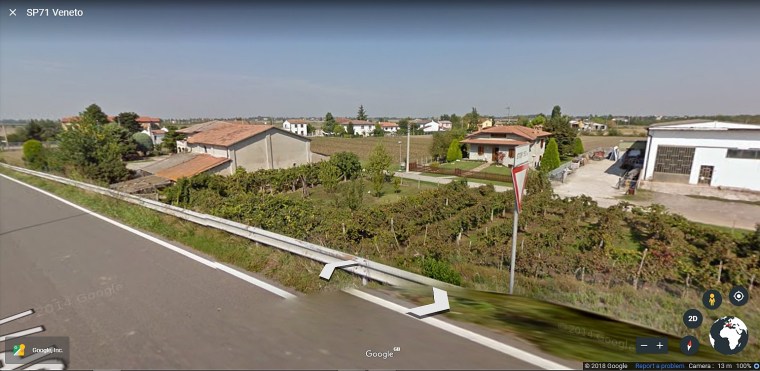
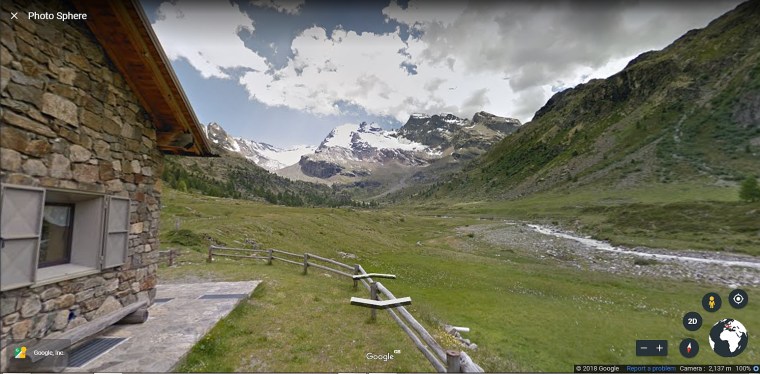
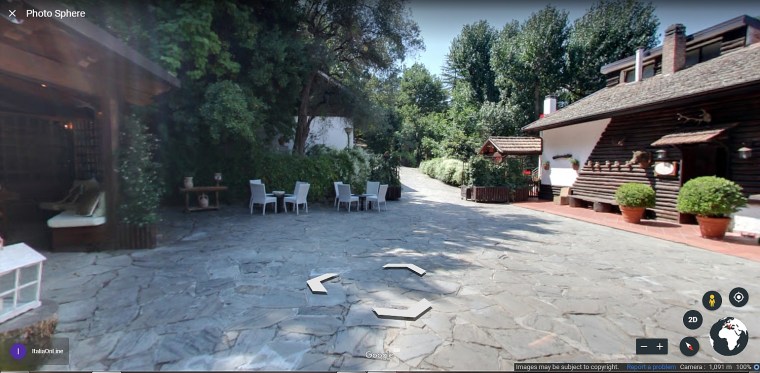
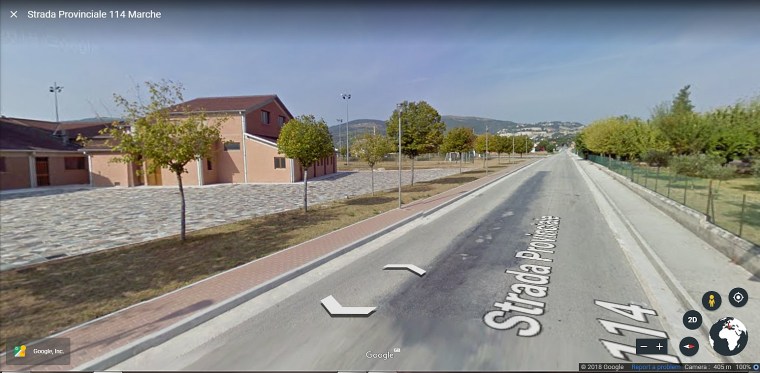
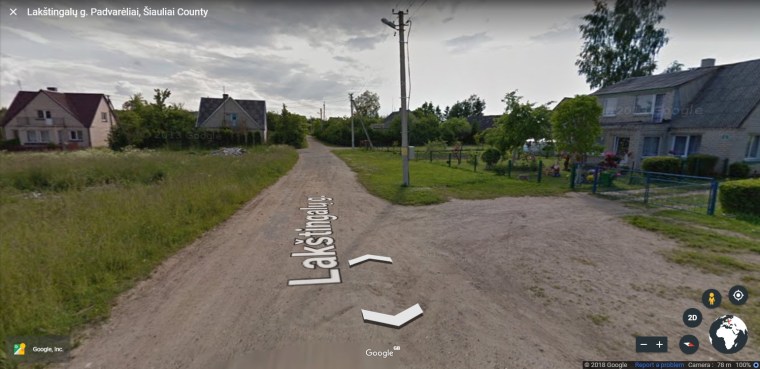
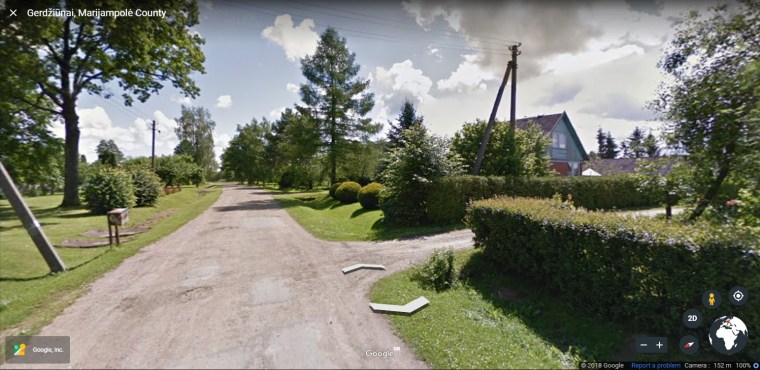
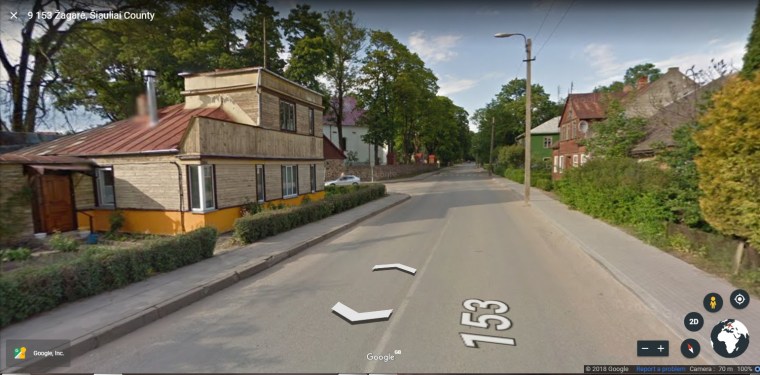
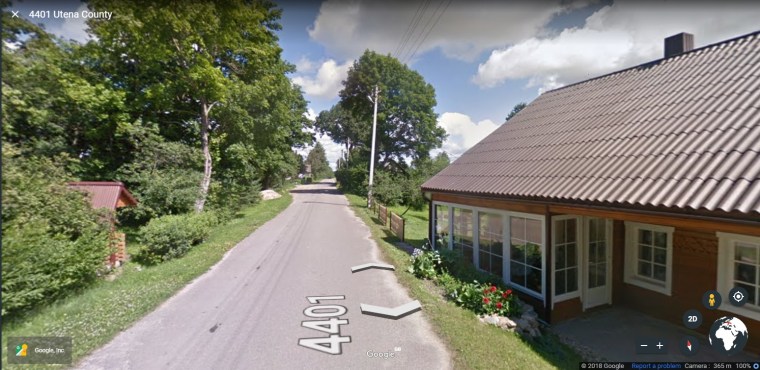
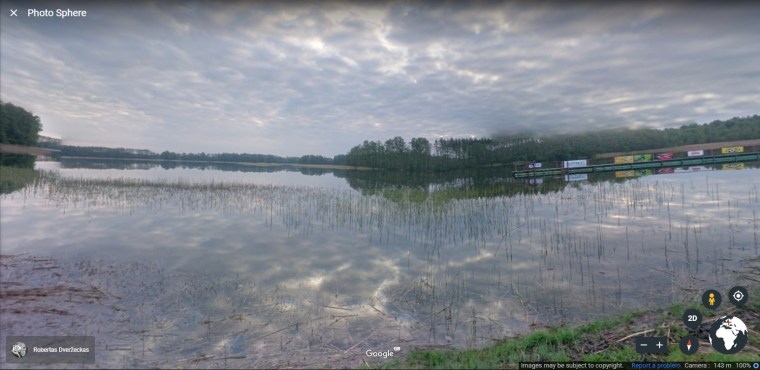
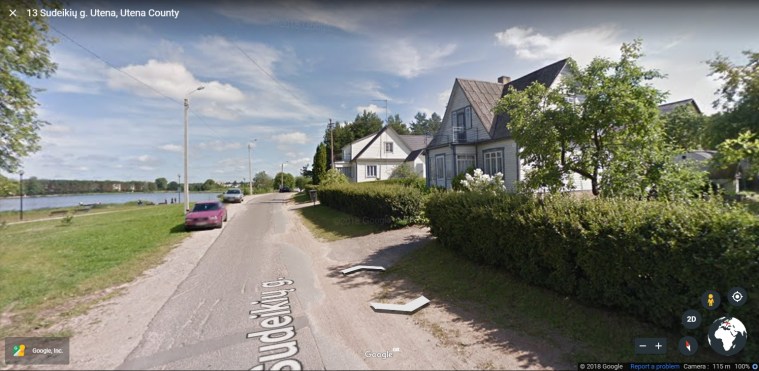
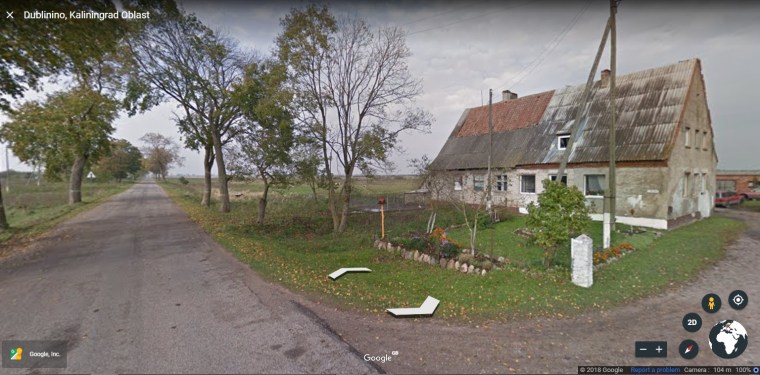
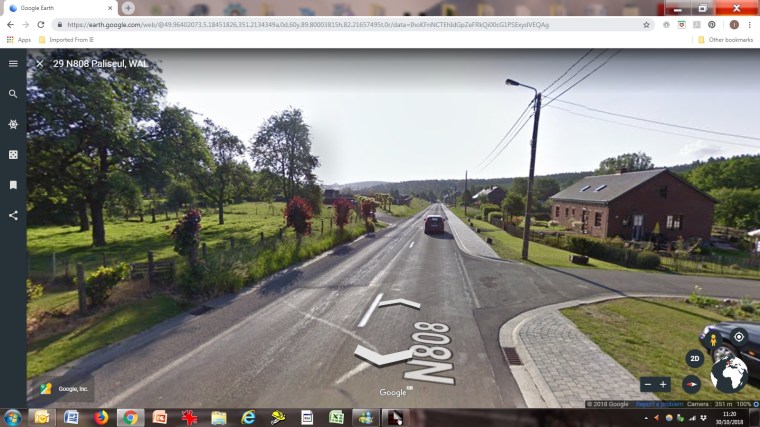
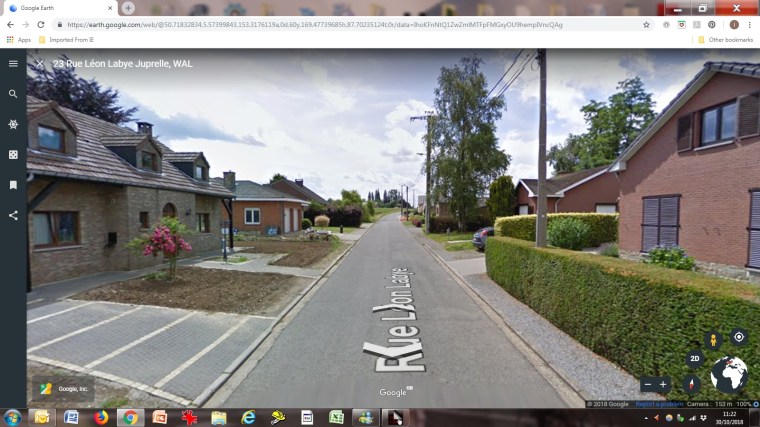
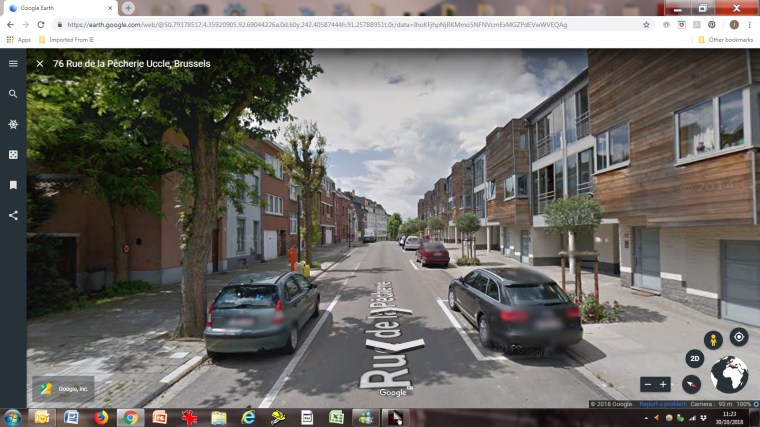
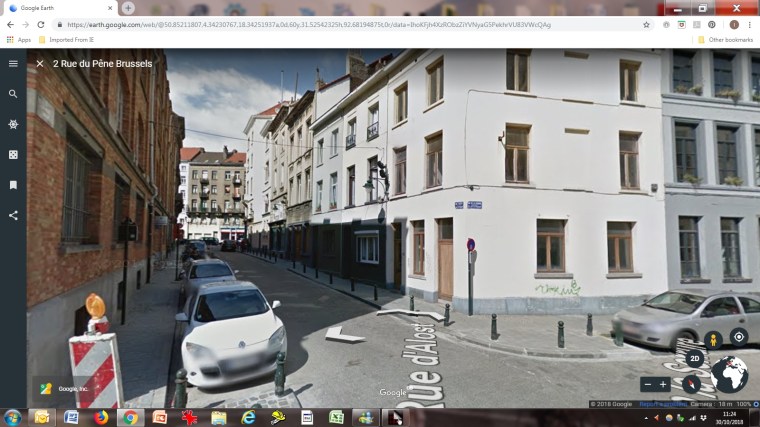
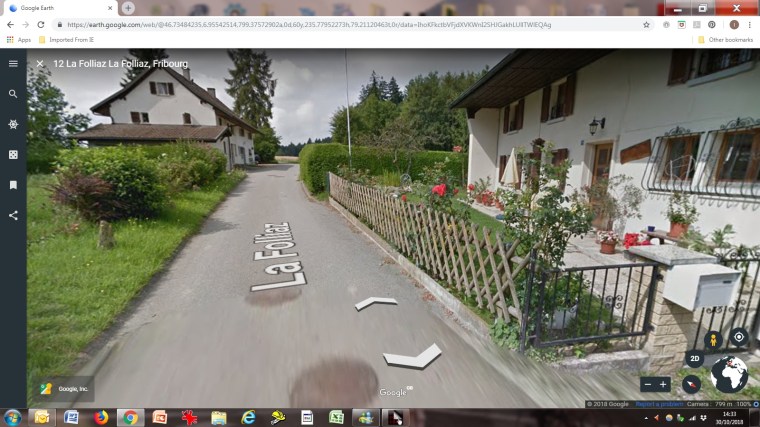
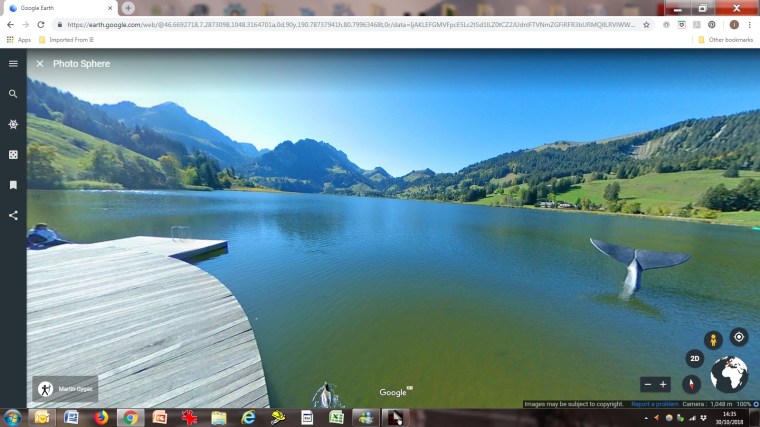
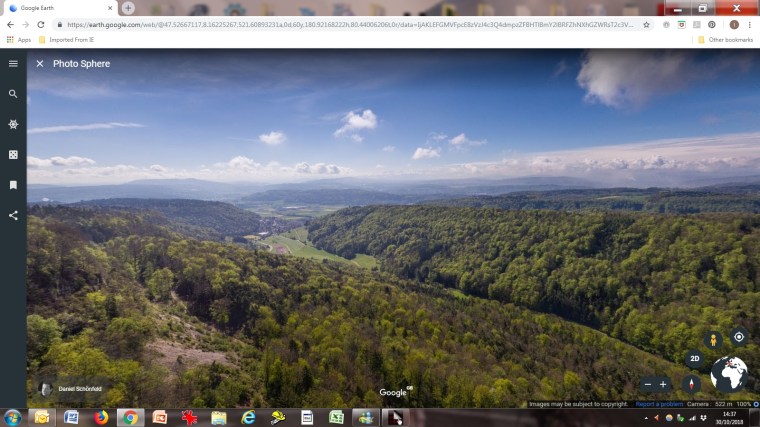
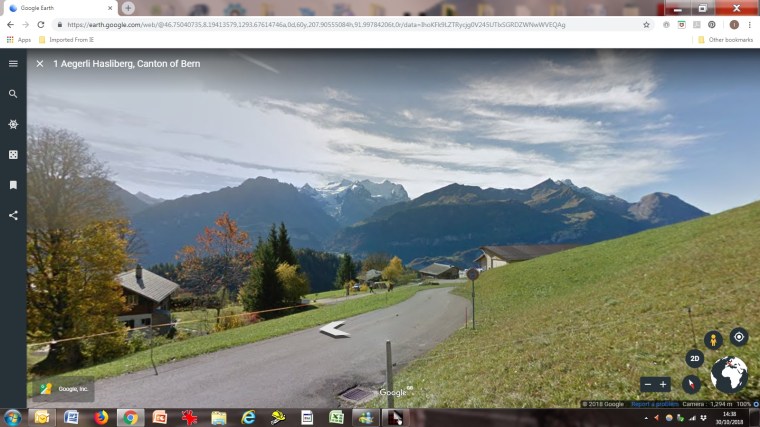
Google-bombing Europe – or a nation in ten pictures.

One way of assessing the condition of a nation is to look at its landscapes. There are of course many factors that influence the physical appearance of an area: the topography, the climate, the ecology, geology and so on.

But part of the equation is also the prevailing social and economic conditions. The landscapes reflect the way in which a nation manages its territory: the levels of investment, the planning systems, the architectural requirements, the attitudes and expectations of the people towards their surroundings, the history of the nation.

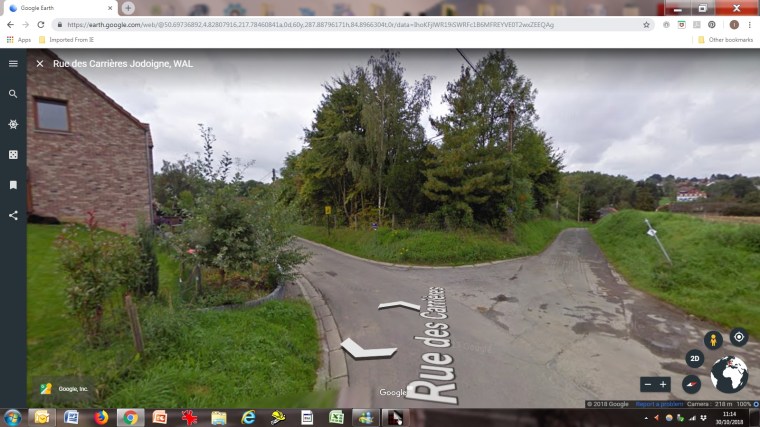
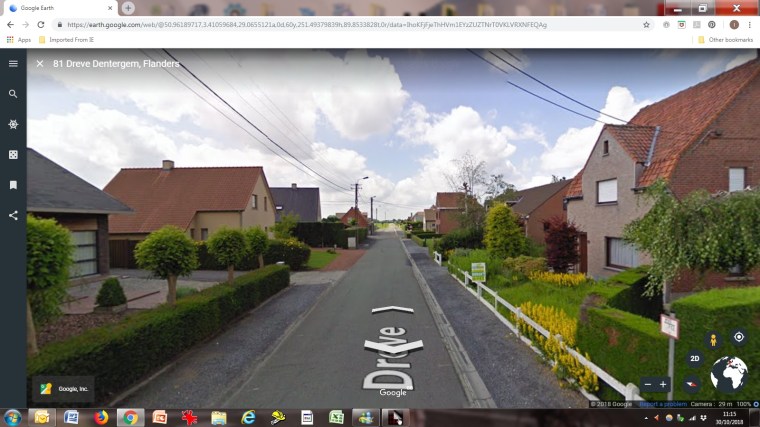
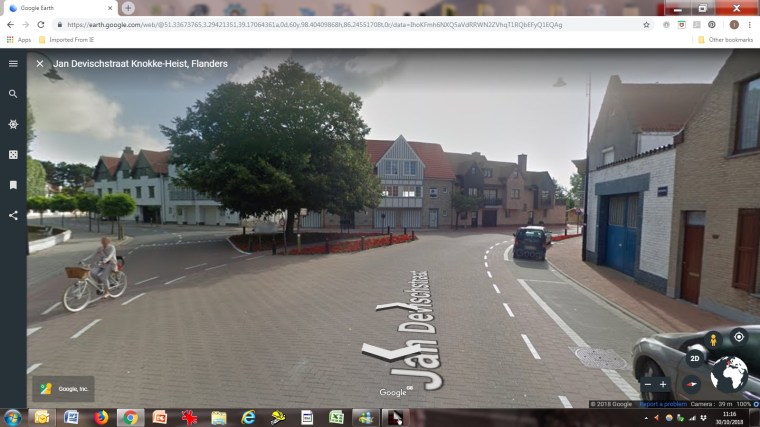
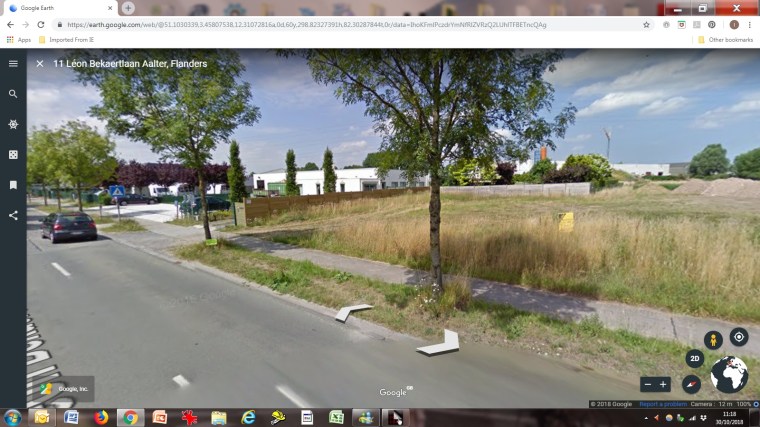
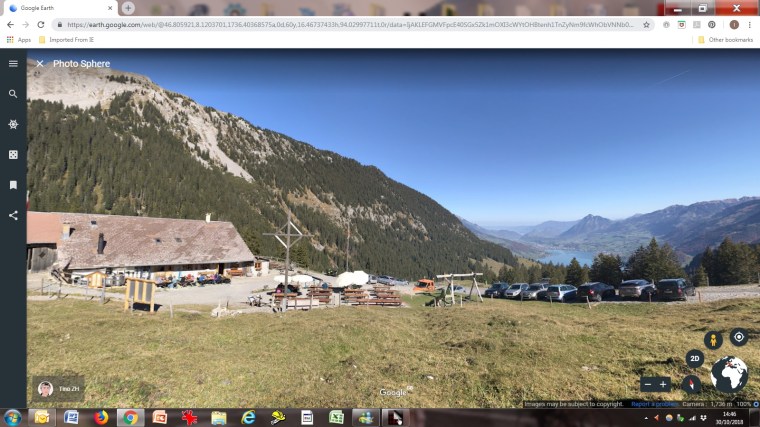
Google Earth presents a fantastic opportunity for surveying such things, so I thought I would conduct a small experiment to see what could be found with as objective an approach as is reasonably possible.

In coming posts, I am going to present sequences of ten photographs chosen more or less at random by ‘dropping in’ on places. I will mostly leave readers to draw their own conclusions, but if I do have a point to prove, it is that the care and effort put into the surroundings in different countries does vary significantly – and that it makes a material difference to the places in which people live, physical conditions notwithstanding. I suppose I should also confess my expectation that the U.K. does not fare particularly well in terms of its built environment.

The ‘rules’ I set myself were:
1. Set the camera at an altitude of about 500km (high enough to take in a large part of the country, and to obscure any obvious features).
2. Drag the peg-man and drop before the map has stopped moving, thus making the destination as random as possible.
3. When the image resolves, ‘permission’ is granted to take a 360 degree look around and choose the most interesting view.
4. Not to move the camera laterally from where it falls.
5. One reject allowed in each ten samples to allow for tedious repetition or utterly bland images that show nothing of interest.
6. The above accepted, aim for reasonable spatial coverage – e.g. don’t just drop the peg in the middle of the country each time.

In some cases, it is even possible to land inside a building, which can reveal things about the style and quality of interiors.

A perhaps surprising thing is how rarely one lands in the centre of a major urban area: while these dominate the social climate in a country, in spatial terms, they are very small. One lands far more frequently in open countryside (which is reassuring in a certain way) and, in the U.K. at least in identikit suburbs (which is perhaps less so).

Ten pictures are hardly enough to present a coherent impression of a country, and by definition a random sample may be neither consistent nor representative. But as a random slice through the combined effects of physical and human activity, they can perhaps tell us something. The first two countries presented here are Germany and the U.K. More to follow in subsequent posts.

Germany:D01D02D03D04D05D06D07D08D09D10

The U.K.:

UK01UK02UK03UK04UK05UK06UK07UK08UK09UK10

Arts, Architecture & Design, Opinion & Thought, Travel

Empty vessels….are world class.

We in Britain are regularly regaled with the claim that every next new thing is going to be ‘world class’. Methinks the country doth protest too much: anywhere that needs to bang on like this with such tedious regularity deep down knows that it is way off the mark. But it’s cheaper and easier to slap the ‘W-C’ label on something than actually do anything about it. But too often, that abbreviation really does have a better meaning.

Case in question is the new Swiss-made trains shortly to be delivered for my local Greater Anglia rail service. (Non rail-enthusiasts bear with me here – there is a wider point coming…) Knowing Swiss Railways inside out, I leapt with anticipation when the announcement was made a couple of years ago that Anglia would be the first British franchise to be buying Swiss in a big way.

Now I generally have a favourable view of Greater Anglia as being one of the more enlightened franchisees – probably something to do with their in reality being Dutch. And it is true that excellent cycle facilities now abound at stations all over their network.

But an article in the industry-journal Modern Railways suggests that once again, the new trains represent a missed opportunity. The first train is due in the U.K. about now, and I await visual confirmation that we do have proper Swiss build-quality.

But the insides are as dull as every other British train. Anglia claims to have focus-group tested the designs – but as the MR article points out, people can only compare against what they know. And in the case of British trains, that is not a great start.

Comments from the manufacturer also sound underwhelmed with the end result – but they pointed out that they only deliver what the customer asks for. How Swiss. But that lays the blame for this lost opportunity firmly back at the British end of the contract.

It is of course true that British trains are smaller than continental ones, and that does create real problems – but why does Britain have seat-specifications (supposedly in the name of safety – read litigation) far in excess of what the EU requires – and which rule out most of the better seating in use elsewhere? It leaves us with ultra-high backs which render the interior claustrophobic, while fire standards mean that almost no padding can be provided – hence recent widespread complaints about how hard the seats are in new trains. It is most definitely NOT that pesky EU spoiling our chance to have good old British rubbish here.

The real problem is that those who specifiy British train design are more concerned with maximising capacity (hence revenue) and minimising repair costs. It is also the case that many who profess to be impressed quite possibly haven’t seen the alternatives available in other countries. And yet the country persists with the ridiculous nonsense about world-class everything. It kids no-one with a slightly wider perspective.

While train design might hardly seem to be a world-stopping issue, this matter serves to illustrate some wider issues:

1) Poverty of expectation in this country is alive and well and expressed in things as everyday as trains. It is partly because so few experience what happens elsewhere.

2) Short-term, profit-driven so-called public services will only ever deliver bargain-basement quality because of the need to make a quick return.

3) ‘World-class’ actually means precisely the opposite. It is an excuse for having to think genuinely hard about getting something right.

4) This country never learns. And that includes the fact that in many cases, standards really are higher on the continent. I expect that these trains really will represent an improvement on what went before – but that is more an indictment of the past, rather than much to crow about. We are still a good way off the best.

Never mind, soon with our World-Class Brexit we will officially soon be officially rid of those pesky continentals and their ludicrous ideas – and we can carry on doing World-Class mediocre to our hearts’ content.

img-1451_w555_h555
The new Greater Anglia ‘Flirt’ unit. Not bad from the outside, though it would be better without the non non-obligatory yellow end.
tn_ch-sob-traverso-stadler
Yep, this is definitely the same train – albeit built to rather larger continental dimensions…
tn_gb_stadler_flirt_greater_anglia_interior_2 (1)
The cramped and grey standard class interior of the GA unit. Still, at least we have continental-style window blinds.
stadler_flirt_sobvoralpen06Südostbahn
The equivalent interior for the Swiss Sud-Ostbahn. Respective interior specifications courtesy of the customer consultation.
First-class, Swiss-style. Admittedly, also a bit grey.
41615510_342015486368932_4879372965262620119_n
On-board catering. When will British providers (of almost anything) stop banging on about being world-class while diluting standards for the U.K. market?
Opinion & Thought, Politics and current affairs

Your starter for ten…

Here is a little analytical challenge for a Monday morning. I produced it as a self-challenge to my preconceptions about the quality of life in other (mostly European) countries. The graph below shows the murder rate per million of population of selected countries. The data all derives from the same year, 2016 and is drawn via Wikipedia from apparently reputable sources. My source can be found here: https://en.wikipedia.org/wiki/List_of_countries_by_intentional_homicide_rate

murder stats graph 2

The challenge I presented myself was simply to test the preconception that there are some countries that are much more socially stable than others. To my mind, that is a key determinant of a ‘successful’ country, one that might be held up as an example to others. Murder rates might be considered a suitable indicator of such. My experience, for example, of Germany and Switzerland is that they are so law-abiding and generally well-run that nothing truly, intentionally bad ever happens there. It is an illusion of course, and I know that.

But stereotypes are powerful. How easy is it to imagine a Swiss or German company being guilty of malpractice? The Volkswagen emissions scandal shows it can and does happen. Temptation is the same everywhere I guess, though the extent to which people act on it may not be. And temperament varies too.

Did I succeed? Well, only in part. There are considerable differences between murder rates (and that is without considering the absolute figures, which seem only partially reflect total population size).

I suggest that homicide rates are a reasonable indicator of social stability. The rise in knife-crime in the U.K. cannot be without its causes. So make of this self-created graph what you will. I know there are distortions introduced into the rankings, for example by the fact that I have not included all countries. In general, I have left out the smaller states except where they perhaps provided insight. In general, smaller nations seem to have lower homicide rates – from which we might learn something.

With my strong reservations about the way British society operates, I expected the U.K. to be towards the upper end of the European rankings – which it is. But so are France and Germany, the latter of which in particular I did not expect. On the other hand, Italy is not as much higher than the U.K. as might have been expected. I suppose we should also accept that the figures are only for reported murders; who knows what else goes on in some places…

Maybe we should simply conclude that there are certain factors at work in larger populations (increased anonymity perhaps) that affect perceptions of our fellows.

And it is also noticeable that some of the countries held up for their good social model seem to have higher than (I) expected murder rates, for example Finland and Sweden. I wonder if environmental factors are at work there – but then, Norway is lower. And even in the seemingly-model society of Switzerland (often held up as one of the world’s most civilised places to live), 45 murders happened in 2016. Personally, I have never met a Swiss who seemed capable of killing a fly… But it is necessary to remember that thanks to military service, the Swiss have loose gun-laws compared with the rest of Europe, and I suppose some people (including some Swiss I know, but not I) would instinctively blame their high immigrant populations. Who knows the truth?

Before jumping to too many conclusions, I suppose one should really conduct a much more detailed study of the circumstances and motives for murders, which might tell us much more than relatively raw totals.

The stark contrast with Russia and the USA are not a surprise – but might still teach us something about contrasting social models. The authorities in the U.S. had to deal with 17250 murders in 2016 alone. And spare a thought for Brazil, with its rate of 295 per million, or 61283 murders in that same year…

Travel

The joys of (near) home…

How often is it the case that one overlooks the benefits of the familiar? I suspect I’m not the only one who tends not to venture out into my nearer region as often as I should. Though my new walking regime has at least encouraged a move in the right direction.

East Anglia is not exactly known for its dramatic scenery – but what it does do well is miniatures – small, quiet and often very picturesque corners. Dedham Vale, part of the Stour Valley, on the border between Essex and Suffolk is one such area: now designated an Area of Outstanding Natural Beauty, it was the subject of many paintings by John Constable.

Even though both the A12 trunk road and the main railway line cross the area, the tranquility is surprisingly rarely broken, though the small road in one of the pictures below was a lot busier than one might expect, it being a cut-through to the railway station at Manningtree, whence commuters head for Liverpool Street Station in London.

The weather was on its best behaviour yesterday, for a walk from Dedham to Flatford Mill, which Constable painted several times, and back. There is a pleasant National Trust cafe at the Mill, which has become a centre for nature studies in the area. A selection of pictures taken along the river and back in Dedham, itself give a taste…

Very pleasant for an early-autumn walk; with thanks to my two companions for a good day out.


OLYMPUS DIGITAL CAMERA

OLYMPUS DIGITAL CAMERAOLYMPUS DIGITAL CAMERAOLYMPUS DIGITAL CAMERAOLYMPUS DIGITAL CAMERAOLYMPUS DIGITAL CAMERAOLYMPUS DIGITAL CAMERA