ijstock
Regionalism is a concept that is perhaps overlooked in much of England. While I can think of several parts of the country where people might immediately taker great exception to that claim, I still feel that as whole, English culture is not one that celebrates its regional diversity – and this has been all the more so as our capital city has grown in dominance over the rest of the country. I suspect that once again, the other nations of the British Isles perhaps have somewhat different perspectives on this, as my sense is they still root themselves in much more local identities even within their own national ones.
What makes a regional identity is perhaps open for debate. Matters like accent and food are inevitably strong – but I would add simple on-the-ground knowledge of one’s patch is important too. Having a sense of place about where one lives is important for feeling rooted. Much as I have an internationalist outlook, having a sense of regional identity is something I value, and I would like to see steps taken to strengthen England’s regionalism.
With this in mind, we took advantage of last week’s good weather to make a trip that I had been planning for some time: a circular tour of our own region of East Anglia. Despite having lived in the region for 33 years, there are still a few parts I haven’t visited – and there were a number of others where my last visit was quite some time ago. What’s more, the rail enthusiast in me wanted to complete my coverage of the region’s routes, and now seemed like a good time as major change is afoot on the region’s rail network in the next couple of years. A valedictory to some of the old order and an inspection of the current state of play of the region’s rail infrastructure seemed like a good excuse to take advantage of the Greater Anglia Day Ranger ticket, which gives unlimited travel for a day within the region for a very reasonable £24, or £18 with a railcard.

We started with a drive to Ipswich (GA cannily excludes the Essex commuter routes from the ticket) and thanks to the usual unpredictable state of the A12, we missed our planned train. Before the following hour’s train, we had time, therefore, to inspect the excellent job that has been made of the renovated facilities at Ipswich station, which presents a clean and modern impression to the traveller. It is good to see it being remembered that rail stations are important gateways to their communities, and being treated to some of the improvements we regularly see on the continent. The fact that GA is owned by Dutch Railways probably has something to do with it; I am a fan of what they have done during their tenure.

I had artfully concocted an itinerary that would both cover the lines I wanted, and take in pretty much the whole range of East Anglian landscapes – for while this region is entirely flat, it does not want for variety. It is by no means all wheat prairies, as people seem to think.
Our first train took us via Stowmarket, Bury St Edmunds and Newmarket to Cambridge. This a very pleasant 80-minute crossing of the gentle Suffolk countryside, seen at a green time of year. The short stretch through Newmarket, past the racing studs, to Cambridge was new to me.
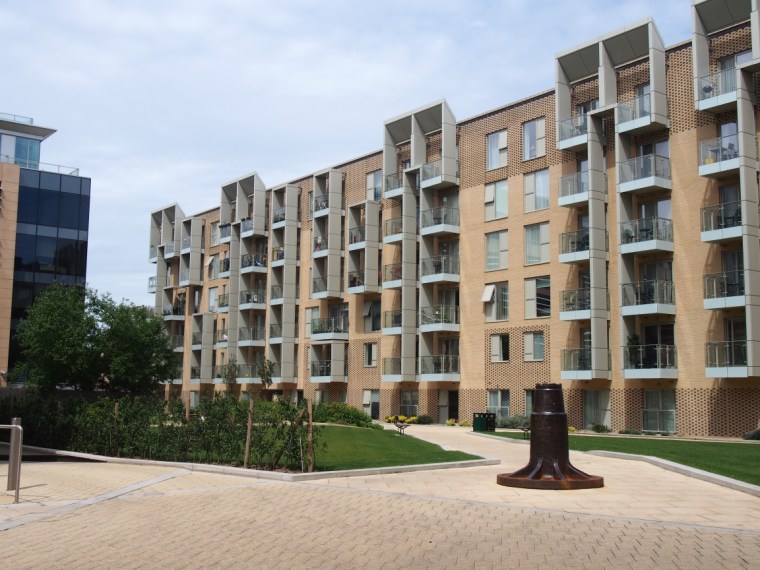
Cambridge station is another that has benefitted from much investment, and now presents a crisp gateway to the city. Since my last rail visit perhaps 25 years ago, the whole of the station forecourt has been redeveloped with multiple office blocks and apartments. It has been a controversial scheme, but I found it impressive, having created a very pleasant public square in front of the station, as often seen on the continent. Morning refreshments were duly taken.

Our next train required an add-on to the day ticket, for the unknown line to King’s Lynn. This journey is around an hour long, and heads out across the depths of the Cambridgeshire Fens. The main landmark is Ely Cathedral, before the line singles as it heads for the backwoods. The Fens can be bleak, but I find them an interesting landscape, with a large vistas and huge skies that are not common in Britain. There are few places in Britain where the trains actually rise to pass over the local rivers – the whole area was marshland, some below sea level, drained by Dutch engineers from the 15th Century, and now some of the nation’s most productive farmland. But dead flat.
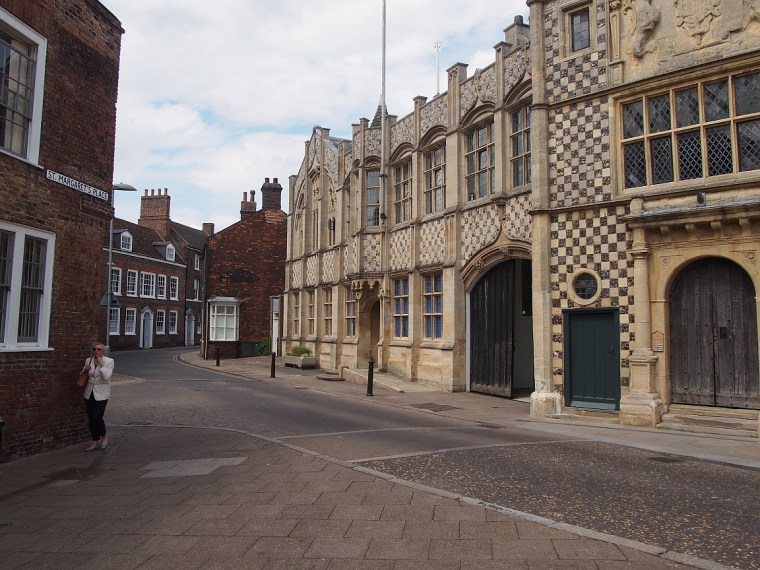
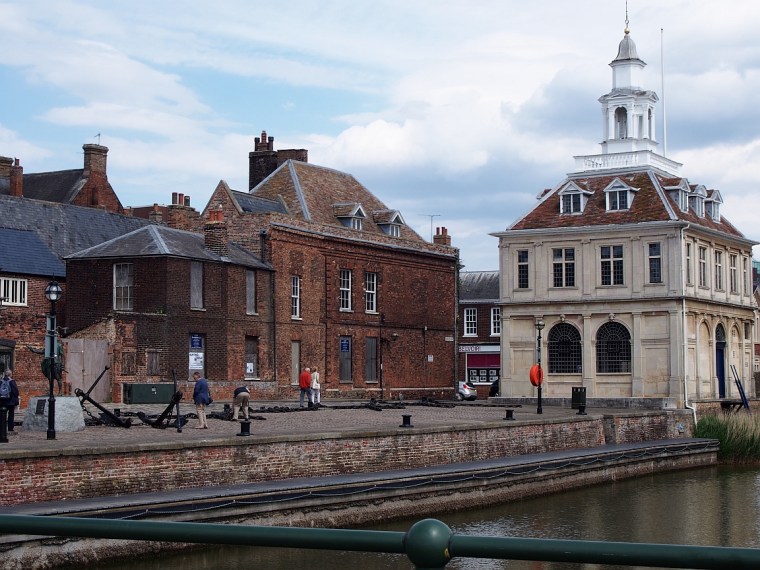
King’s Lynn is a place we did not previously know. It has an attractive, small railway station that has been well maintained, though it gives onto what at first sight looks an unappealing town. Regrettably, modern retail developments have not exactly enhanced the impression – but if one perseveres, one can find a well-preserved Medieval town in its midst. There are some impressive buildings along its Ouse waterfront, dating from the time when it was a prosperous port. We had a little over an hour, which was enough to gain an impression and grab some lunch.


We had to retrace our steps to Ely, where a quick change gave us a train over the Breckland Line to Norwich. My last traverse here was in 1987, and indeed was my first entry after University into the region that has since been my home. The Fens give way quite abruptly to the sandy heathland of Thetford Forest, a quite extensive area of uncultivated space and forestry plantations – a place of unexpected wildness, deer and dramatic sunlight. It is very appealing.
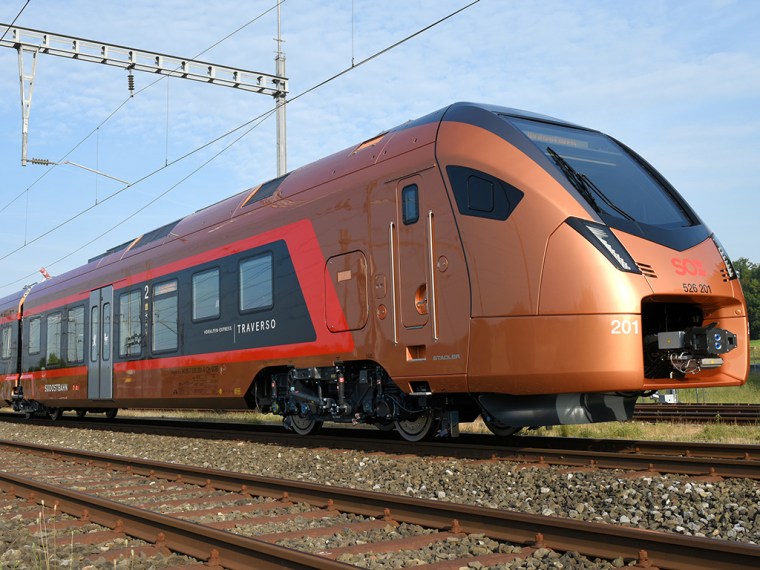
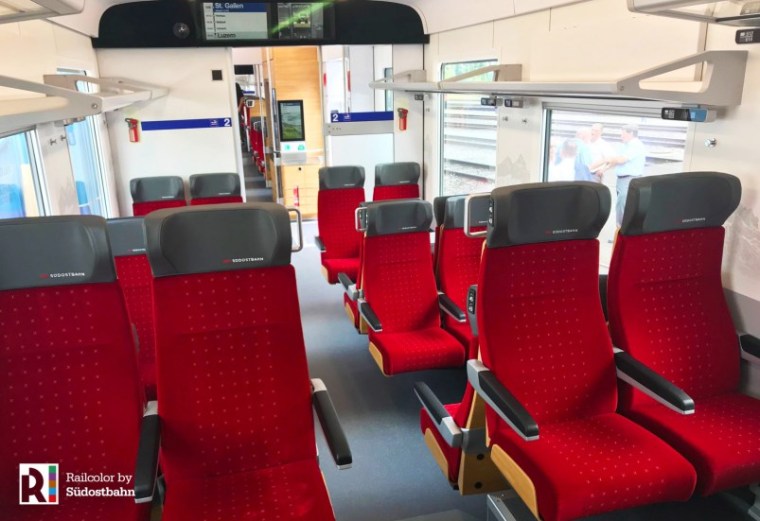
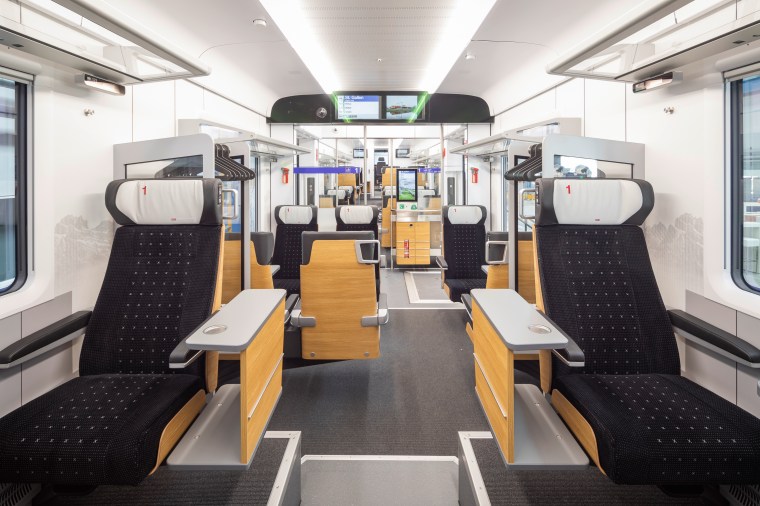
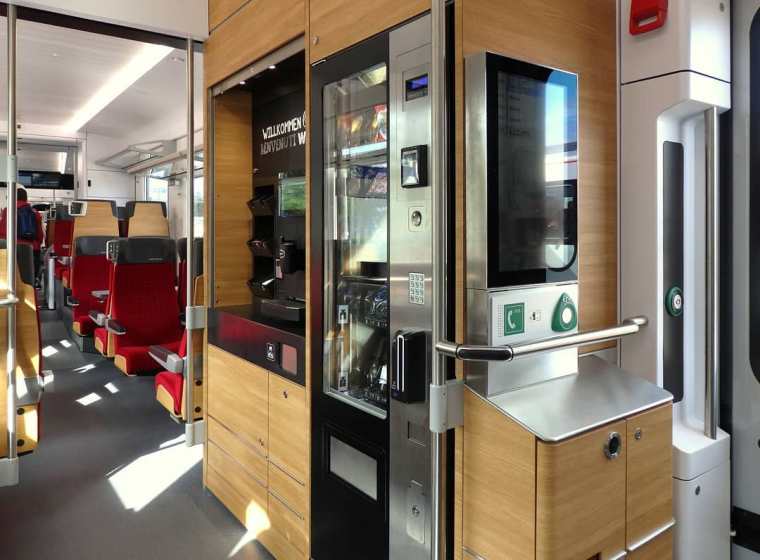
More quiet countryside follows, and then arrival in Norwich, along the valley of the Yare, and under the viaduct by which the main line from London soars in (well, by East Anglian standards) from the south. As expected, the railway sidings outside Norwich’s impressive station are now full of the new Swiss unit trains with which GA is replacing every train on its network over the coming two years.
I had been hoping that our train to Lowestoft would be formed from what is known locally as the Short Set – a few old coaches topped and tailed by two class 37 locomotives, some of the oldest remaining in service, and due to stand down in the coming months. The set was standing with engines running adjacent to the platforms – but it was not to be, as another unit set rolled into sight. The train to Lowestoft was packed, it being late afternoon. The journey is scenic in a different way, as it passes many of the southern Broads, former peat workings now flooded and full of attractive leisure boat activity. The East Norfolk countryside can be surprisingly remote, and shafts of sunlight lit it dramatically as we chuntered slowly past windmills and over the swing bridges that still characterise the route. The signalling is still mechanical, though its colour-light replacements are now installed, awaiting commissioning.


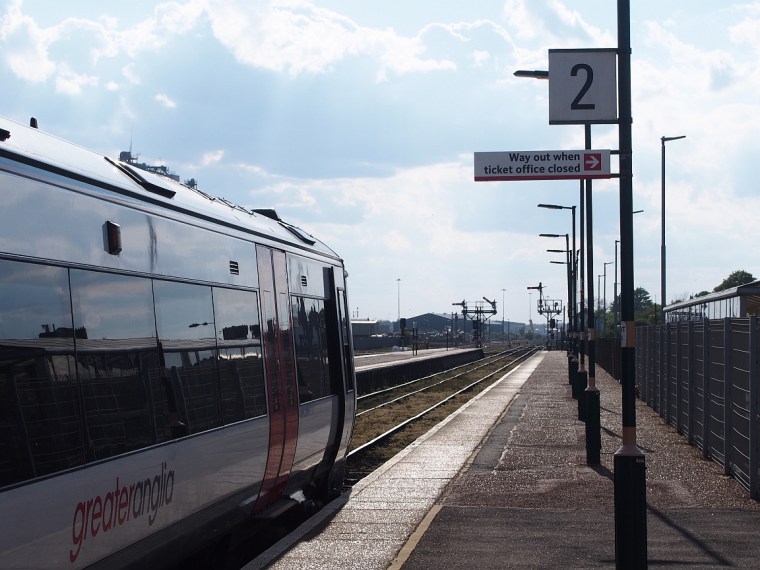
Lowestoft is the most easterly point on the British rail network, indeed the most easterly town in the country. It still has some fishing activity, but otherwise looks to be struggling. But its station is clearly looked after by the local community rail partnership. Our final train was another bucolic 90 minutes via the East Suffolk line back to Ipswich. This single-track route nearly closed some years ago, but was saved by innovative radio signalling which allowed cost-savings to be made. It is a delightful ride though quiet, deep countryside and past the boatyards at Woodbridge, before it joins the line from Felixstowe – also single track – on the outskirts of Ipswich. I find it unbelievable that this is still the state of the route along which a major part of the nation’s imports flows from the deep-sea container port there – though enhancements are in hand.
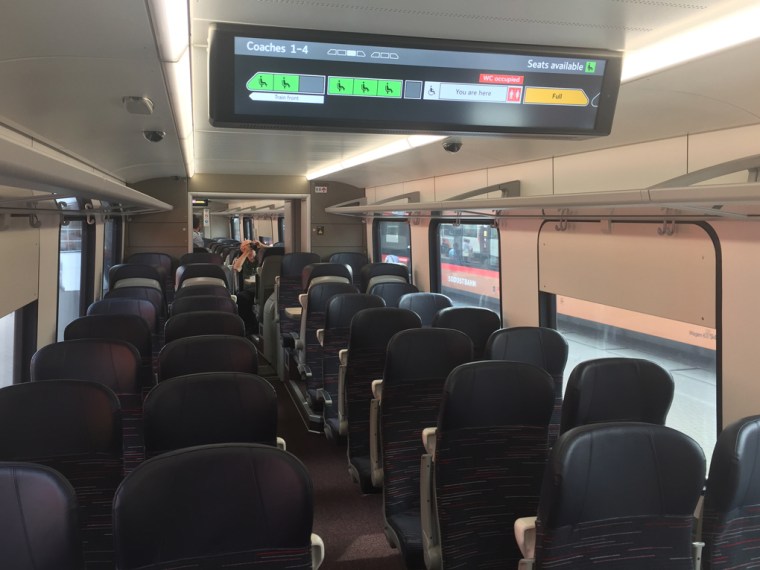
We landed back at Ipswich some nine hours and 220 miles after we left. An excellent way to re-acquaint with the less visited parts of our home region. One gets a sense of integration – of how the various parts relate to the whole, and without the hassle of driving. It’s a pity that modern, sealed trains don’t easily allow photography on the move, but it was good to see all of the trains punctual, clean and well patronised, and the stations for the most part looking well kept. Something every region needs as part of a decent sense of self.